
A Permanent Solution for Sleep Apnea-Advanced MMA Jaw Surgery – Restore your airway, eliminate CPAP use, and wake up truly rested.
Diagnosis and Treatment of Sleep-Related Breathing Disorders
- Snoring
- Upper Airway Resistance Syndrome (UARS)
- Obstructive Sleep Apnea (OSA)
What is Obstructive Sleep Apnea?
Spectrum of Disease
Sleep-disordered breathing (SDB) comprises a spectrum of disorders that interrupt sleep and can contribute to a myriad of health problems, ranging from cognitive disability to medical illness. Unfortunately, we now know that even mild forms of sleep impairment can cause permanent neural damage (hippocampal atrophy) as well as permanent damage to the sympathetic nervous system (sympathetic dysfunction).
Fifteen percent of adults in the United States have OSA, and 80% are undiagnosed.
The spectrum ranges from snoring to anatomic narrowing of the airways (Upper Airway Resistance Syndrome, or UARS) to Obstructive Sleep Apnea.
Much of this disease is related to growth and development resulting in insufficient airway volume from the nose all the way down to the entrance of the trachea. In many sufferers, the bones of the midface—the maxilla and mandible—did not grow far enough forward. This leaves the pharyngeal airway with insufficient volume, often only 25–50% of normal size. It is difficult to move air through this limited space and the condition is exacerbated during sleep. The brain’s oxygen supply becomes compromised while asleep and releases cortisol and adrenaline to compensate. This causes small arousals and fragments sleep, leading to many of the illnesses associated with sleep disorders.
As people age, fat deposits in the pharyngeal walls and base of the tongue also contribute to airway obstruction, as does the loss of elasticity in the pharyngeal tissues and muscles.
How Do I Know If I Have Sleep Apnea?
If some or many of the following signs, symptoms, and medical issues are present, it may suggest that you have a sleep disorder related to airway insufficiency.
Signs and Symptoms
- Snoring
- Grinding your teeth, especially at night (Bruxism)
- TMJ pain
- Morning headaches
- Constant drowsiness
- Lack of regular dreams
- Memory and attention problems
- Dark circles under your eyes
- Waking up tired
- Depression
- Excessive wear on your teeth
- TMJ pain
- Facial appearance of a weak chin or retruded jaw structures
Long-Term Problems Associated with Sleep and Airway Issues
- High blood pressure
- Heart disease and stroke
- Gastric reflux and heartburn
- Low hormone levels
- Loss of libido
- Type II diabetes (insulin resistance)
- Early-onset dementia and Alzheimer’s disease
- Increased cancer risk
- Skin disorders
- Depression
Chronic oxygen deficiency causes neural damage in the hippocampus and right frontal cortex.
- 25% of patients develop hippocampal atrophy
Causing irreversible problems with:
- Non-verbal information processing
- Executive function
- Working memory
Treatment
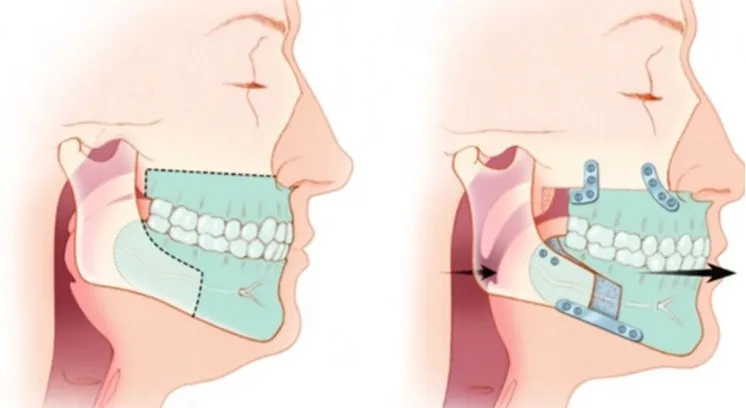
Treatment of Upper Airway Resistance Syndrome (UARS) and Obstructive Sleep Apnea (OSA) is accomplished by advancing the upper and lower jaws through Maxillomandibular Advancement (MMA) surgery. By moving the maxilla and mandible forward, the airway is permanently enlarged from the nasal passages through the pharynx, providing a lifelong, 24/7 improvement in airflow.
MMA is the only treatment that directly addresses the underlying anatomical cause of airway obstruction. While CPAP therapy and mandibular advancement appliances can reduce symptoms during use, they do not permanently correct the airway or eliminate the underlying disease process.
Modern MMA surgery is performed entirely through the mouth (without external incisions) as an outpatient procedure. Patients are not wired shut, and advances in surgical planning and fixation techniques have made recovery more comfortable than ever before.
Treatment can begin in appropriately selected children and continue through adulthood. Airway disorders are not limited to overweight individuals—many patients experience sleep-disordered breathing because of inherited jaw structure and airway anatomy rather than body weight alone.
Scientifically Proven Benefits of These Procedures
- Helps you live longer
- Enhances memory and creativity
- Improves facial appearance and may reduce food cravings
- Protects against cancer and dementia
- Helps your body ward off colds and flu
- Lowers the risk of heart attack, stroke, and diabetes
- Lowers blood pressure
- Improves sleep quality and daytime energy
- Helps you feel happier, less depressed, and less anxious
- Eliminates the need for CPAP in many patients
It is not only overweight individuals who benefit from this treatment. As much as 20% of the population may have a skeletally narrow airway. These individuals are often poor sleepers, wake up tired, develop insulin resistance, feel “wired” throughout the day, and experience numerous medical issues related to poor sleep.
Surgeons such as myself have developed protocols to perform these procedures in our surgery centers at reasonable costs. Medical insurance may cover between 5–35% of the treatment cost.
Non-Surgical Treatment
Two non-surgical treatments are commonly used to partially alleviate symptoms but do not fully treat the disease:
- Wearing a CPAP mask while sleeping (pressurized air)
- Wearing a dental appliance that moves the jaw forward
- MAP (Mandibular Advancement Appliance)
A fourth treatment exists: surgically implanting the Inspire device, which stimulates the tongue (hypoglossal nerve stimulator). This provides approximately 10% of the improvement achieved by jaw advancement surgery and may be helpful in certain refractory treatment scenarios.
Prevalence and Extent of Sleep-Disordered Breathing
Airway and sleep disorders contribute to a large percentage of present-day illnesses and, unfortunately, remain significantly underdiagnosed and undertreated.
Studies show that 30–50% of young people and at least 50% of adults suffer from some form of sleep-disordered breathing (inadequate airway volume interrupting sleep).
Healthy Sleep Requires Two Types of Deep Sleep
- Non-REM Deep Sleep (N3)
- REM Sleep
Non-REM Deep Sleep is Your “Restorative” Sleep
- Muscle recovery, prostaglandin release, and arachidonic acid production
- Hormone release and balance:
- Growth hormone
- Thyroid hormone
- Sex hormones
- Hunger hormones
- Conversion of short-term memory into long-term memory
- Brain clearance of metabolites such as Amyloid Beta and Tau proteins
- Lowering blood pressure through activation of the parasympathetic nervous system
- Restoration of immune system function (40% increased cancer risk in people with inadequate sleep)
- Regulation of insulin and sugar metabolism
REM Sleep is Your “Cognitive and Emotional” Sleep
- Emotional regulation
- Relief of anxiety, depression, and pain
- Essential for brain development
- Enhanced cognitive and executive function
- Improved memory
- Enhanced creativity
- Hormone release, including testosterone and growth hormone
- Muscle recovery and protein synthesis
Chronic sleep deprivation may induce severe complications in both young and older adults. It may cause:
- Moodiness
- Fatigue
- Irritability
- Depression
- Forgetfulness
- Cognitive deficiency
- Increased appetite
- Carbohydrate cravings
- Reduced sex drive
- Heartburn.
In many people, it is also associated with:
- Frequent illness (immune system suppression)
- Obesity
- Diabetes
- Hypertension (high blood pressure)
- Increased cancer risk
- Early-onset dementia and Alzheimer’s disease
- Poor quality of life
https://www.sciencedirect.com/science/article/pii/S2589958922000299
JAW ADVANCEMENT FOR SLEEP APNEA – AIRWAY SURGERY
Maxillomandibular advancement may be recommended for patients with a narrowed airway secondary to the retruded position of their facial bones. This surgical procedure repositions the upper and lower jaws, and often the chin, to maximize airway space.
Studies have shown that 98% of patients experience improvement in their sleep apnea and overall outcomes with this surgical treatment. The procedure has been refined over many years, making it both safe and efficient. Surgeries are planned and simulated before treatment using CT scans and digital scans of the teeth, ensuring precision and safety.
We specifically designed our surgery center to perform these orthognathic procedures to correct sleep apnea.
Surgical Details
All incisions are made inside the mouth, leaving no visible scars on the outside of the face. The upper and lower jaw bones are stabilized using small, low-profile titanium plates and screws, eliminating the need to be wired shut.
Patients are instructed to remain on a soft, non-chew diet for six weeks after surgery while the bones heal. Patients are able to return home the same day with the assistance and care of our nursing team.
Zaghi S, Holty JC, Certal V, et al. Maxillomandibular Advancement for Treatment of Obstructive Sleep Apnea: A Meta-analysis. JAMA Otolaryngol Head Neck Surg. 2016;142(1):58–66. doi:10.1001/jamaoto.2015.2678
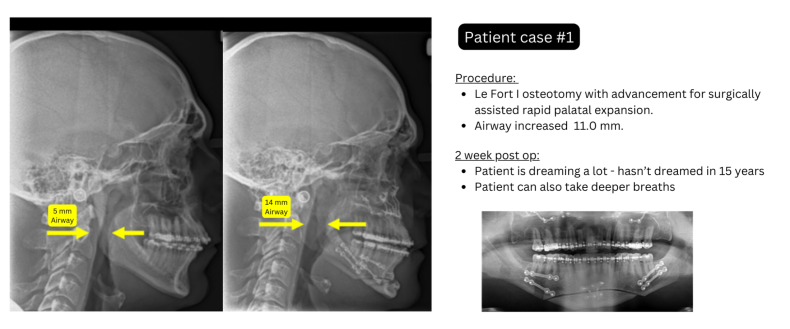
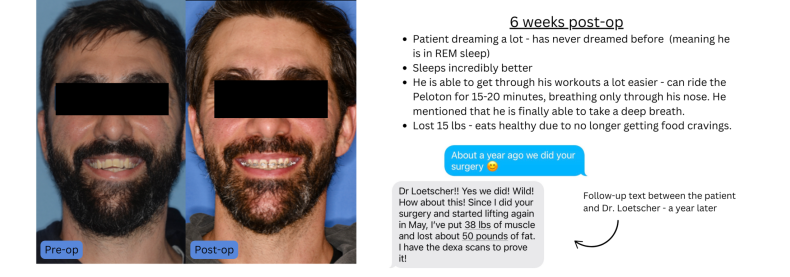
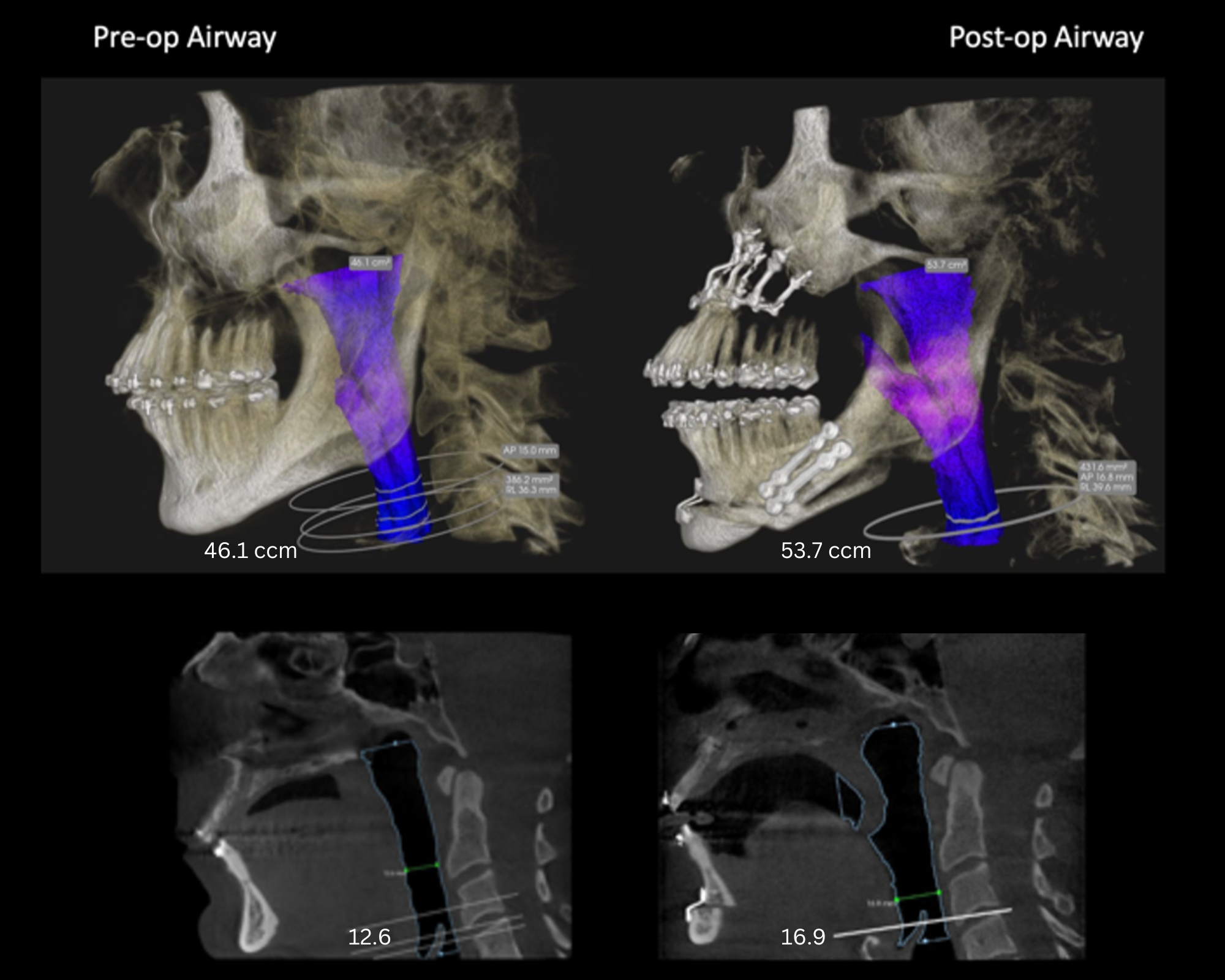
Case Example 1
36-year-old patient
-
Suffered from poor sleep and sleep-disordered breathing
-
Did not dream regularly
-
Struggled with weight control despite regular exercise
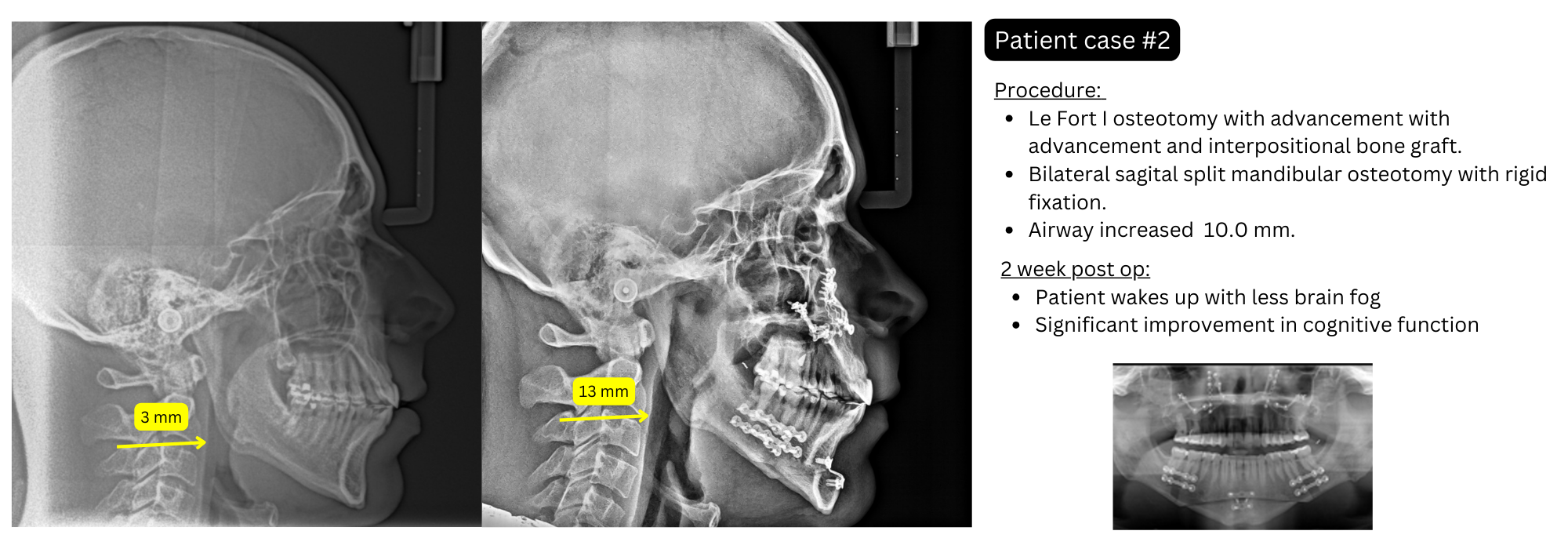
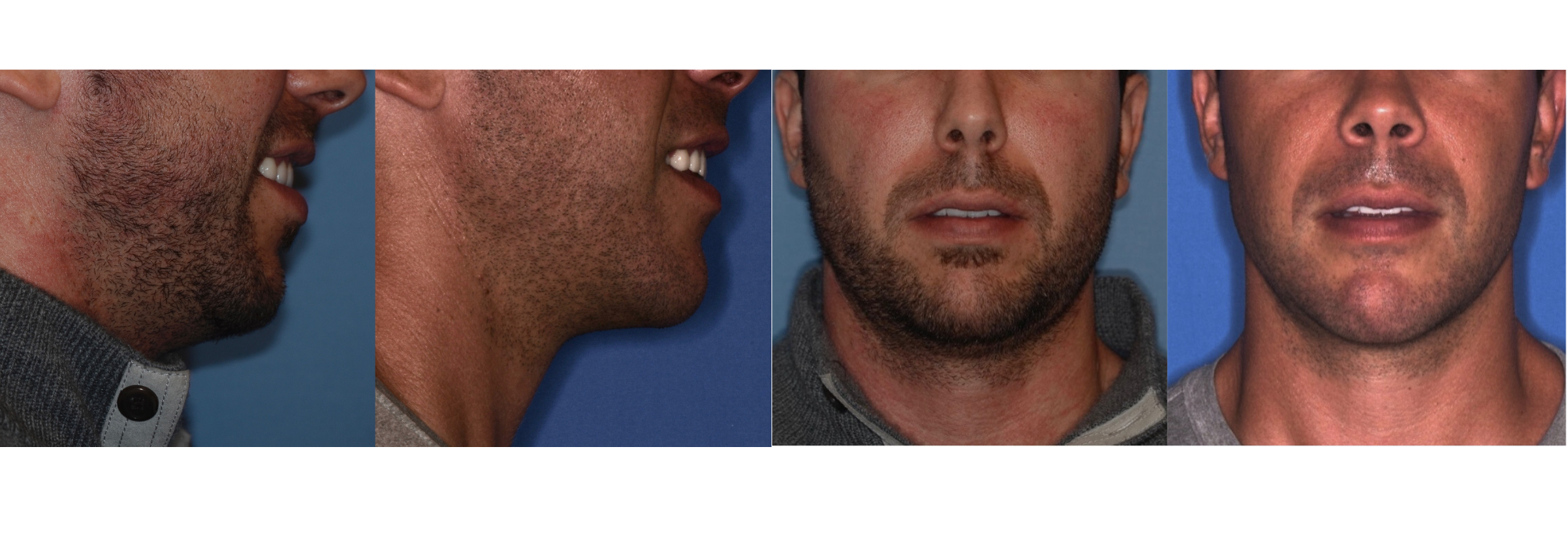
Case Example 2
31-year-old patient
Complained of poor sleep, headaches, and chronic fatigue.
Underwent upper and lower jaw advancement, along with an advancement genioplasty (chin) to optimize airway volume and facial balance.
What Our Patients Consistently Describe
-
Significant cognitive benefits and less brain fog
-
Improved cognitive function and alertness
-
Students perform better in school
-
Sustainable weight loss with fewer cravings
-
Elimination of TMJ pain and body aches
-
Improved esthetics
-
Feeling happier
Sleep & Brain Health
Scientific evidence supports a link between sleep disorders and adverse brain health outcomes, ranging from stroke and subclinical cerebrovascular disease to cognitive decline, including the development of Alzheimer’s disease and related dementias. (Stroke, 2024 Vol. 55(3), e61–64)
https://www.ahajournals.org/doi/epub/10.1161/STR.0000000000000453
Deep sleep is required for the glymphatic system in our brains to flush out metabolites that accumulate and contribute to dementia and Alzheimer’s disease. Two of the most well-known are Amyloid Beta and Tau proteins. During deep sleep, the gliocytes in our brains shrink by approximately 40%, allowing the glymphatic system to remove these waste products.
In addition, cognitive learning, memory, and executive function are severely impaired by a lack of deep sleep.
Signs & Symptoms of Sleep Disorders Explained
1. Dark Circles Under Your Eyes
Due to a dysfunctional immune system, poor sleep can leave you with less-than-ideal skin health, resulting in dark circles under the eyes.
2. Worn-Down Teeth
This may result from two factors:
a. Grinding your teeth at night (bruxism)
b. Gastric reflux—negative airway pressure occurs as your diaphragm tries to pull air into your lungs and may also pull stomach acid and its fumes onto your teeth.
3. Open Bite
An open bite is often the result of insufficient space in the jaws to properly accommodate the tongue. We often refer to this as the “box for your tongue” being too small. This is typically caused by inadequate forward growth of the lower jaw and, often, the upper jaw as well. This is one reason why advancing the jaws can be so effective.
4. Medications Explained
a. Thyroid Medication
- T3 and T4 are converted to TSH during deep sleep. Without adequate deep sleep, this conversion may be impaired.
b. Metformin
- Poor deep N3 sleep may reduce insulin production by the pancreas and decrease cellular sensitivity to insulin. Many patients wake up tired and experiencing insulin resistance.
- Excessive cortisol released during poor sleep can also raise blood sugar levels.
c. Blood Pressure Medications
- High blood pressure is often associated with increased noradrenaline output from an overactive sympathetic nervous system. Poor sleepers may remain in a constant “fight-or-flight” state both day and night.
d. Ritalin/Adderall
- Often associated with insufficient REM sleep.
e. NSAIDs and Gabapentin
- Frequently prescribed for fibromyalgia-related pain, which may be associated with reduced hormone output involved in pain regulation and inadequate REM sleep.
f. Reflux Medications (Pepcid, etc.)
- Reflux may occur when the diaphragm works harder to pull air into the lungs, potentially drawing stomach acid upward.
g. Antidepressants
- Often associated with poor REM sleep.
5. Food Cravings
Poor sleep causes an imbalance between two hormones: leptin and ghrelin. Ghrelin, the hormone responsible for hunger, can increase by approximately 25%. Leptin, which promotes satiety, can decrease by approximately 18%.
6. Morning Brain Fog
Poor executive function resulting from chronic hypoxia and inadequate REM sleep.
7. Restless Legs
This may result from repeated micro-arousals caused by airway obstruction, which activate the sympathetic nervous system. It is commonly seen in patients with Upper Airway Resistance Syndrome (UARS).
8. Night Terrors
May result from insufficient deep REM sleep.
9. Fibromyalgia
Fibromyalgia often occurs alongside TMD and chronic activation of the sympathetic nervous system. This can fragment deep sleep stages (N3 and REM), resulting in the loss of restorative and reparative sleep, leading to muscle aches and chronic discomfort.
A secondary consequence may be anxiety disorders related to chronic stress and adrenal fatigue. Patients may become increasingly focused on aches and pains, a condition often referred to as functional somatic syndrome.
Untreated Airway Disorders May Lead To:
- High blood pressure
- Obesity
- Stroke
- Diabetes
Treatment of Airway Disorders in Young Children
Any snoring and nighttime teeth grinding may indicate airway obstruction and should be evaluated.
The biggest contributors to airway obstruction in children are enlarged tonsils and adenoids.
Early Detection and Correction Help Prevent:
- Impaired cognitive development
- Improper facial development
Treatment for Children
- Frenectomy at birth
- Early referral to an ENT for evaluation and possible removal of enlarged tonsils and adenoids
- Correction of crossbites and high-arched palates
- Orthodontic expansion performed by a pediatric dentist or orthodontist
Frequently Asked Questions (FAQs)
What is sleep disordered breathing (SDB)?
Sleep disordered breathing (SDB) is a spectrum of conditions that cause partial or complete blockage of the airway during sleep. These interruptions reduce oxygen levels, disrupt normal sleep cycles, and place stress on the brain and cardiovascular system. SDB ranges from snoring to more serious conditions such as upper airway resistance syndrome (UARS) and obstructive sleep apnea (OSA).
What is obstructive sleep apnea (OSA)?
Obstructive sleep apnea is a condition in which the airway repeatedly collapses or becomes blocked during sleep, causing breathing to stop and start throughout the night. These episodes can occur dozens—or even hundreds—of times per night, often without the patient realizing it.
How common is sleep apnea?
Approximately 15% of adults in the United States have obstructive sleep apnea, and it is estimated that up to 80% of cases remain undiagnosed. Many people assume symptoms such as snoring, fatigue, or poor sleep are normal, when they may indicate an underlying airway disorder.
What are the signs and symptoms of sleep apnea?
Common symptoms include:
-
Loud or chronic snoring
-
Daytime fatigue or excessive sleepiness
-
Morning headaches
-
Poor concentration or memory issues
-
Teeth grinding (bruxism)
-
Waking up gasping or choking
-
Mood changes, anxiety, or depression
Children and young, healthy adults can also have sleep apnea, even if they are not overweight.
What is upper airway resistance syndrome (UARS)?
UARS is a form of sleep disordered breathing where the airway is narrowed but does not fully collapse. While oxygen levels may appear “normal,” the increased effort to breathe disrupts sleep and activates the nervous system, leading to fatigue, brain fog, and long-term health consequences.
Can mild sleep apnea still be dangerous?
Yes. Research shows that even mild sleep disordered breathing can cause permanent neurologic changes, including hippocampal atrophy (affecting memory and cognition) and long-term dysfunction of the sympathetic nervous system. Early diagnosis and treatment are critical.
What causes airway obstruction during sleep?
Airway obstruction is often related to jaw position, facial growth and development, and airway anatomy. Factors may include:
-
Small or recessed jaws
-
Narrow airway volume
-
Tongue position
-
Nasal obstruction
-
Skeletal imbalances
These structural factors can restrict airflow, particularly when muscles relax during sleep.
How is sleep apnea diagnosed?
Diagnosis may include a combination of:
-
Detailed medical and sleep history
-
Clinical airway examination
-
CBCT imaging to evaluate airway anatomy
-
Sleep studies (in-lab or home testing, when appropriate)
At Atlanta Oral & Maxillofacial Surgery, we focus on identifying anatomic contributors to airway collapse—not just symptoms.
What treatment options are available for sleep apnea?
Treatment depends on the severity of the condition and the underlying cause. Options may include:
-
Oral appliance therapy (in collaboration with a dentist)
-
CPAP therapy
-
Orthognathic (jaw) surgery to expand the airway
-
Surgical airway reconstruction (such as maxillomandibular advancement)
For many patients, addressing the structural cause of airway obstruction offers long-term improvement rather than symptom management alone.
Can jaw surgery help treat sleep apnea?
Yes. Orthognathic (jaw) surgery can significantly increase airway volume by repositioning the jaws and supporting soft tissues. This approach is often considered for patients with moderate to severe sleep apnea or those who cannot tolerate CPAP therapy.
Who should be evaluated for airway or sleep apnea issues?
Anyone experiencing chronic snoring, poor sleep quality, daytime fatigue, or unexplained health issues may benefit from an airway evaluation. Sleep apnea can affect children, teenagers, and adults, including individuals who appear otherwise healthy.
Why see an oral and maxillofacial surgeon for airway evaluation?
Oral and maxillofacial surgeons are uniquely trained to evaluate skeletal anatomy, facial structure, and airway volume. This allows for a comprehensive approach to diagnosing and treating sleep disordered breathing when jaw position or facial development plays a role.